Application of Linear Consensus Protocol to Space Debris Deorbiting
Overview
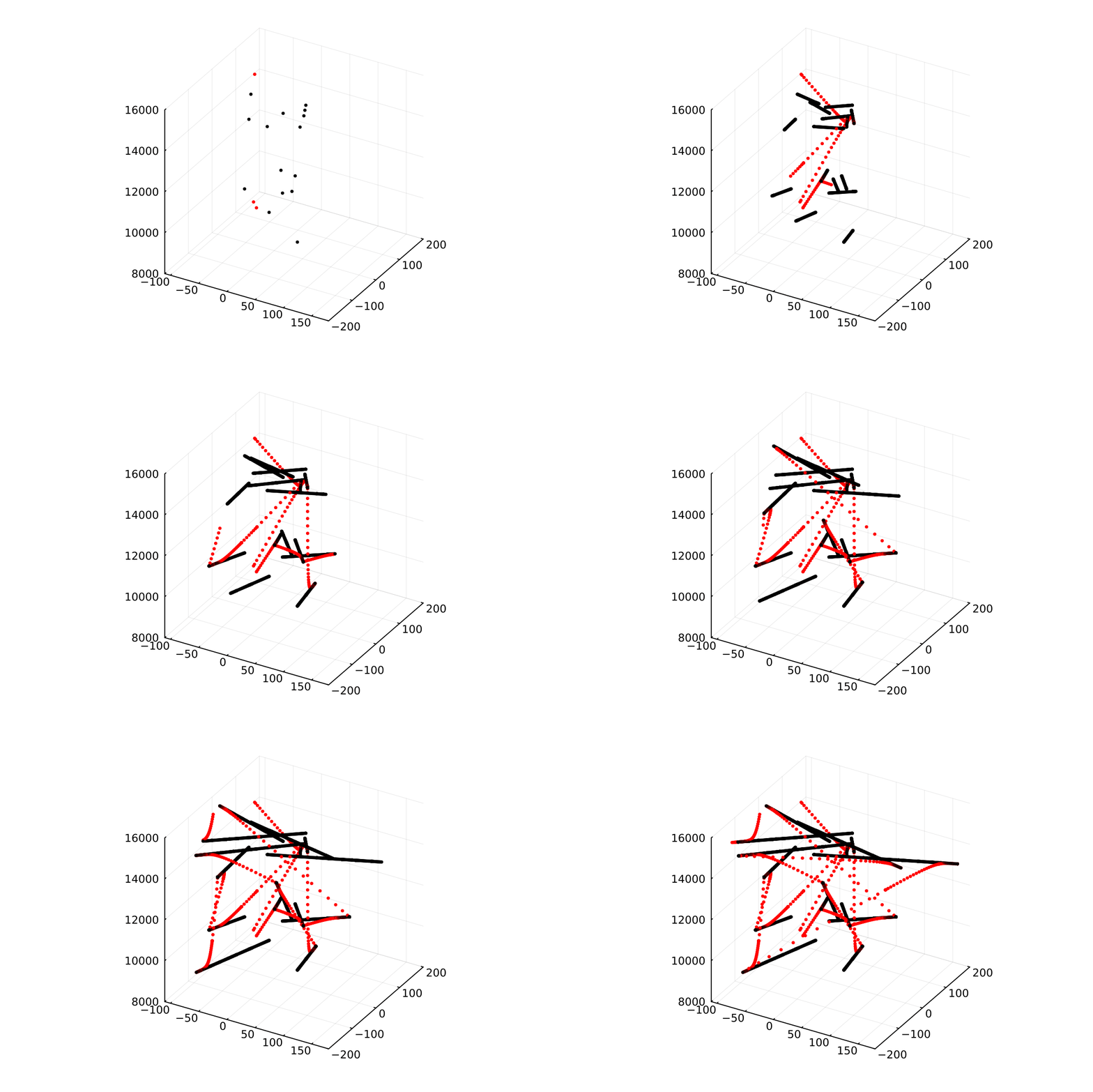
This project focuses on addressing the growing problem of space debris in Earth’s orbit. The solution involves using a Linear Consensus Protocol (LCP) to optimize the process of deorbiting debris, particularly in Medium and High Earth Orbits (MEO and HEO). Unlike traditional methods that target debris clusters, this approach dynamically assigns agents to debris, aiming to minimize fuel consumption while ensuring all detected debris is safely deorbited.My Contributions
This project was first written in Python, and I translated it to Julia for more efficient computing as the simulations can get quite slow as the number of objects increase.
Results
You can read the full report here.
Mars Surveyor and Communications Orbiters for Positioning and Exploration (SCOPE)
Overview
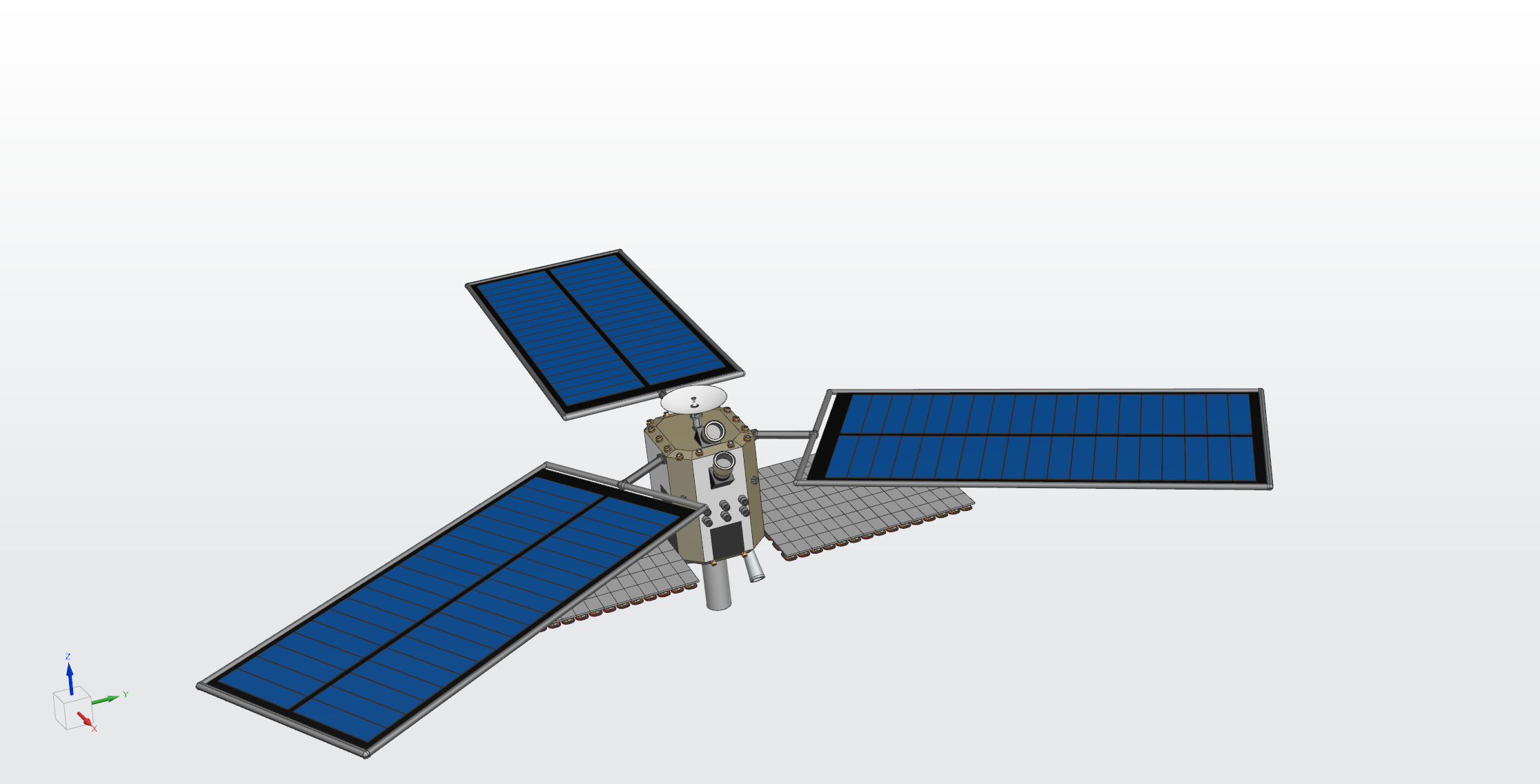
The SCOPE (Mars Surveyor and Communications Orbiters for Positioning and Exploration) mission was designed to fulfill a dual purpose: scientific exploration and utility services on Mars. The mission is centered around two types of satellites—OPTIMUS and PRIME—which work together to map the mineral composition of Mars and provide vital communication and navigation services for other Mars missions. OPTIMUS focuses on scientific tasks, while PRIME ensures reliable communication relays and global positioning coverage. Together, these satellites meet the mission’s requirements over a planned operational period of at least five years.
My Contributions
Results
- Won the class competition!
CAD Design of Soyuz Spacecraft
Overview
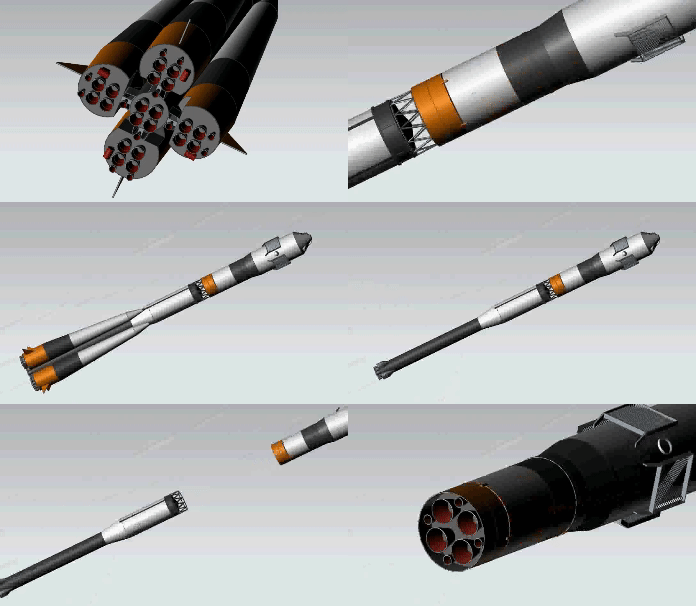
This project showcases a detailed CAD model of the Soyuz-FG rocket, focusing on its exterior design. Created using Siemens NX, the model highlights the precision and capabilities of advanced CAD software in capturing the intricate details of this iconic spacecraft. The project includes a dynamic animation that demonstrates the rocket’s staging process, providing an interactive view of the model in action.
My Contributions
Results
Control of a Quadrotor Drone
Overview
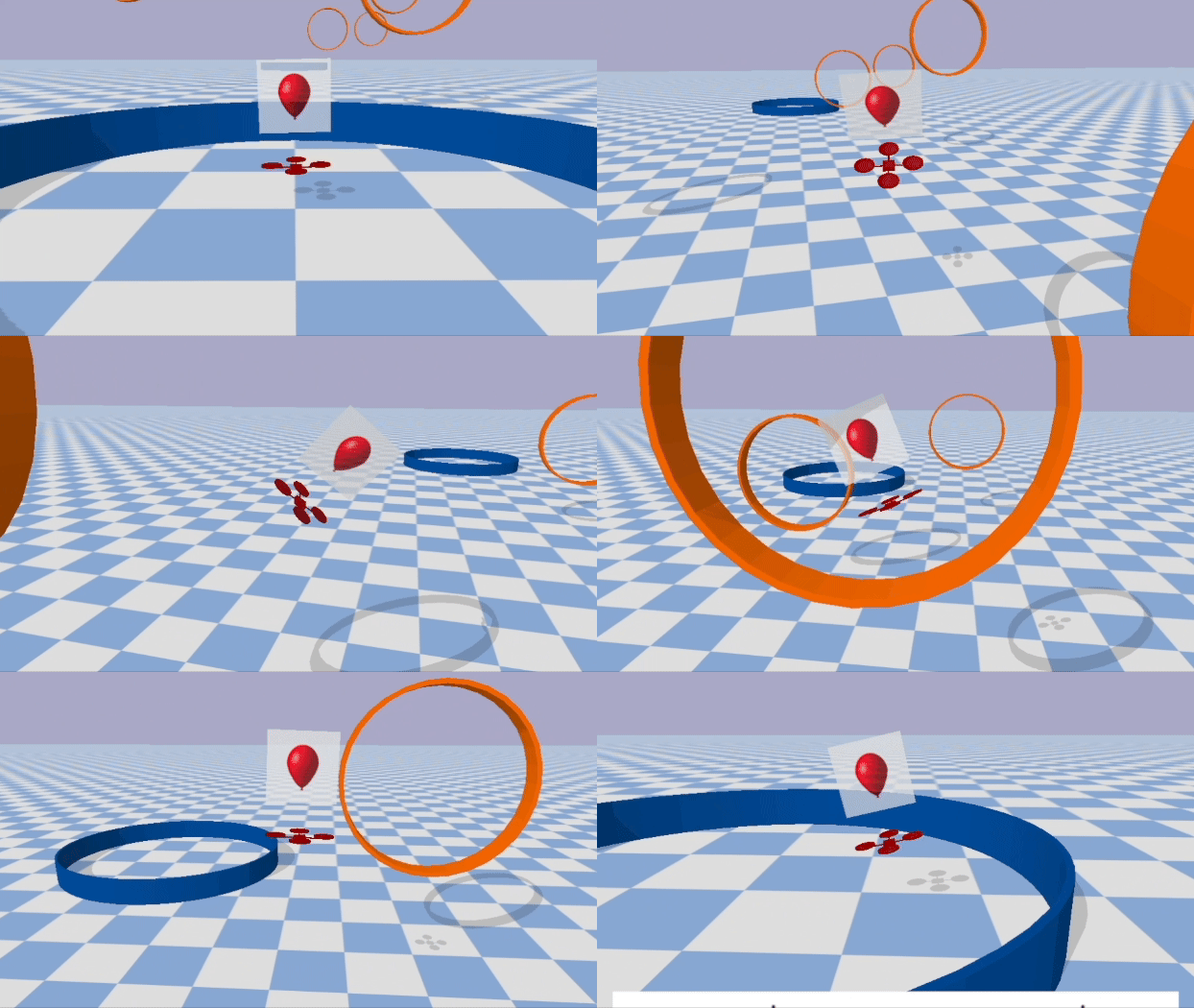
This project focused on designing, implementing, and testing a control and observer system for a quadrotor drone, with the objective of guiding the drone through a series of rings from a starting to a finishing position without crashing. Utilizing linear control theory, the project involved developing a state-space model of the drone’s dynamics, applying Linear Quadratic Regulator (LQR) techniques for control, and testing the system through simulations. The goal was to achieve a reliable, efficient control system that would ensure the drone’s successful navigation through the course.
My Contributions
Results
- Won the class race!
You can read the full report here.
Thrust Chamber of Liquid Bipropellent Rocket
Overview
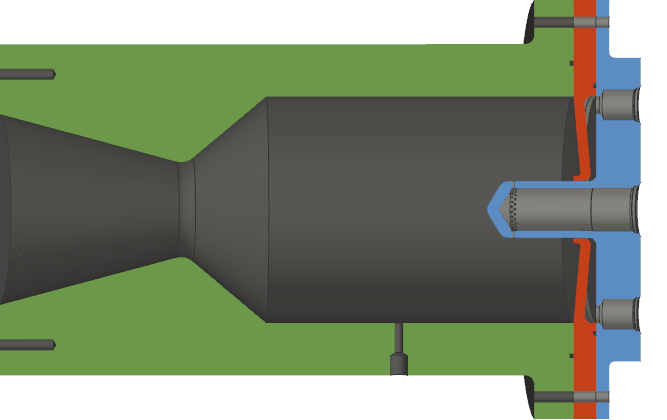
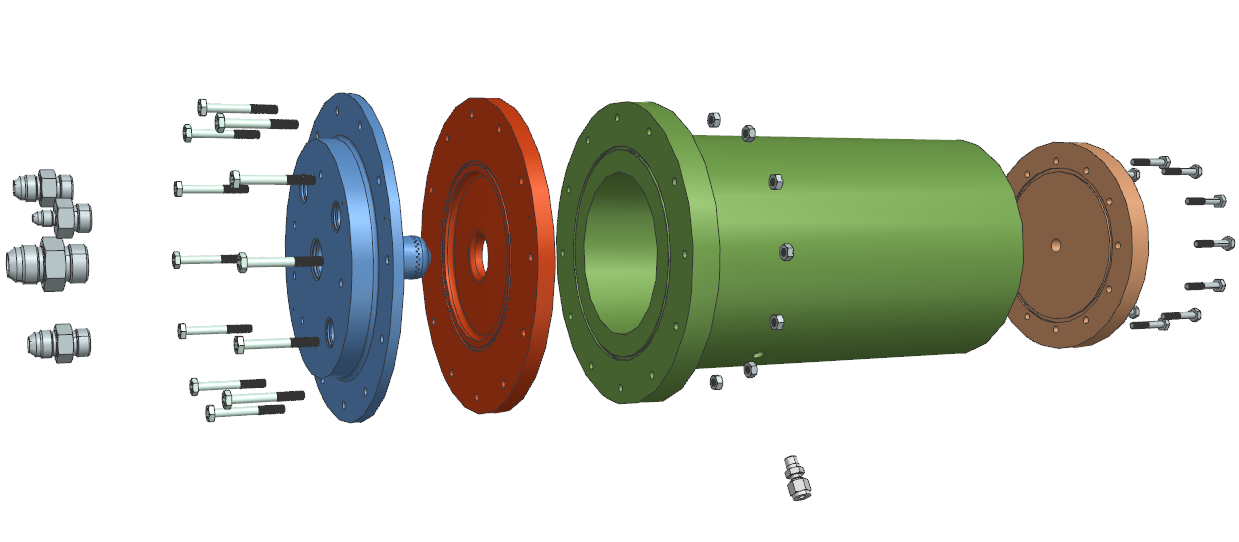
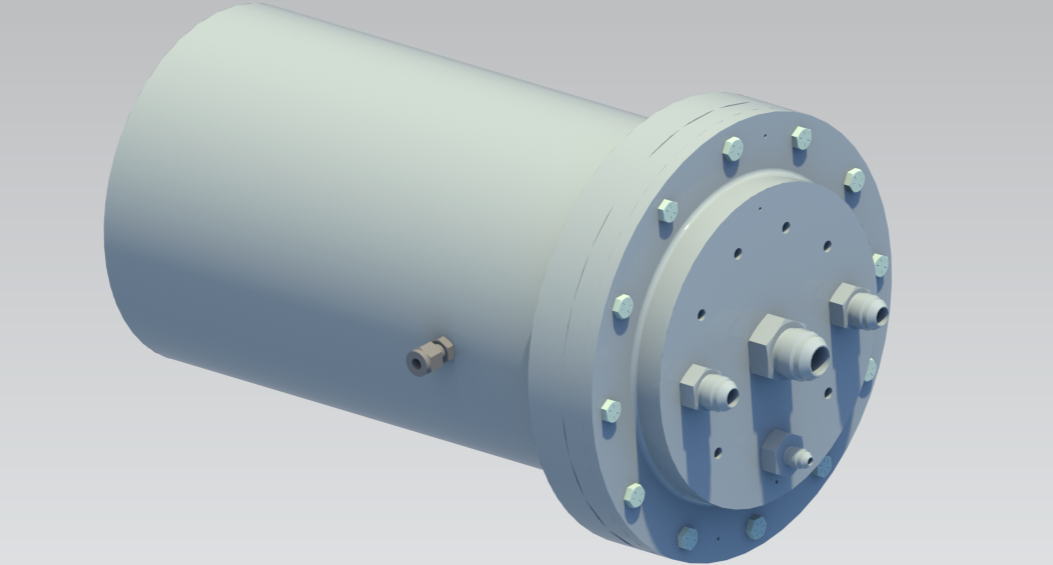
This project involved the critical design review of the Grunt Engine, an 1100 lbf Jet-A/LOx liquid rocket engine developed by the AIAA Liquid Rocket Initiative. The Grunt Engine was designed for testing at Purdue’s Maurice J. Zucrow Laboratories, with the primary goal of validating the injector concept and demonstrating the team’s ability to design and build a functional liquid rocket engine. The project covers various aspects of the engine’s design, including injector design, combustion chamber sizing, and the integration of the engine with Zucrow Lab’s test stand.
My Contributions
Results
You can read the full report here.
Limit Cycles in Predator-Prey Systems
Overview
This project is a literature review focused on the dynamic behavior of predator-prey systems, specifically exploring the existence and stability of limit cycles—a phenomenon where predator and prey populations oscillate in a predictable pattern over time. The review delves into the mathematical underpinnings of these cycles by analyzing seminal works by Robert M. May and Michael E. Gilpin. By studying these systems through the lens of nonlinear differential equations and concepts like Hopf bifurcations, this project seeks to enhance our understanding of how predator-prey populations can coexist in a stable, yet dynamic equilibrium.
My Contributions
Results
You can read the full report here.